


Salalah vs Muscat: Which Oman Destination Is Better?

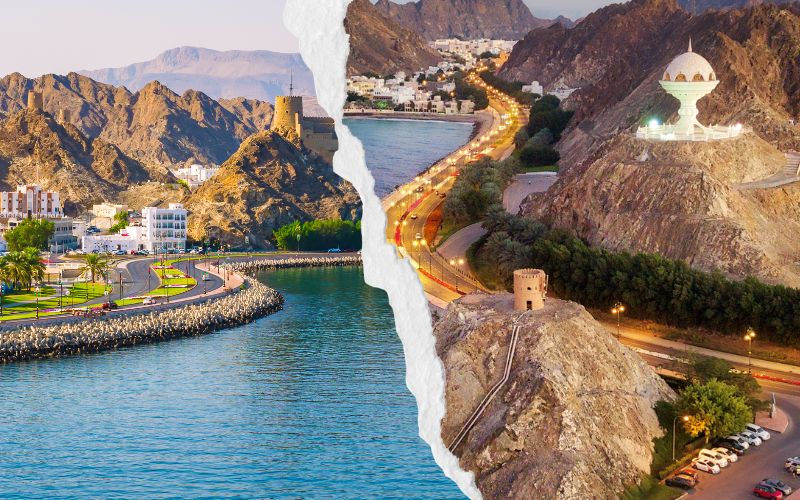
Planning a holiday in Oman often comes down to one important decision: Salalah vs Muscat. Both destinations are incredibly beautiful, culturally rich, and welcoming but they offer very different experiences. The right choice depends on whether you’re drawn to mist-covered mountains and coastal serenity or grand architecture and vibrant city life.
If you're exploring Salalah family vacation packages, it’s essential to understand what each destination offers in terms of activities, comfort, and overall travel value. At Go Kite Travel, we focus on crafting journeys that are smooth, meaningful, and tailored to your expectations. This detailed guide will help you confidently decide which Omani gem suits your travel style best.
Understanding the Character of Each Destination
Salalah – A Natural Escape unlike Anywhere Else
Salalah feels refreshingly different from the rest of the Gulf. During the Khareef (monsoon) season from June to September, the region transforms into rolling green hills, cool mist, and flowing waterfalls. It’s one of the rare places in the Middle East where you can enjoy lush landscapes during summer.
Beyond the monsoon, Salalah maintains a calm and relaxed charm. Long, uncrowded beaches stretch along the coastline, and scenic mountain roads invite peaceful exploration. The atmosphere is slower, more traditional, and ideal for travelers seeking quiet time together. Families appreciate the open spaces, while couples love the romantic coastal sunsets.
Muscat – A Refined Blend of Tradition and Modern Comfort
Muscat, the capital of Oman, offers a completely different rhythm. The city is beautifully designed between mountains and sea, creating a dramatic yet organized urban landscape. It combines historic forts, grand mosques, luxury hotels, and modern cultural venues.
Unlike Salalah’s relaxed vibe, Muscat provides structured sightseeing opportunities and polished infrastructure. Roads are well maintained, attractions are easily accessible, and hospitality standards are high. It’s ideal for first-time visitors who want to explore Oman’s heritage while enjoying urban convenience.
Attractions That Define the Experience
Salalah’s Natural & Heritage Highlights
Salalah’s appeal lies in its landscapes and ancient trading history.
Al Mughsail Beach is famous for its dramatic cliffs and natural blowholes that send seawater spraying into the air during high tide. The setting is raw, scenic, and unforgettable.
Wadi Darbat becomes a lush paradise during Khareef, offering waterfalls, picnic spots, and gentle boat rides.
Al Baleed Archaeological Park reflects Oman’s ancient frankincense trade and gives insight into the region’s global importance centuries ago.
Exploring Salalah feels like stepping into a peaceful natural sanctuary with deep cultural roots.
Muscat’s Cultural & Architectural Icons
Muscat impresses with grand structures and cultural elegance.
Sultan Qaboos Grand Mosque stands as one of the region’s most breathtaking architectural landmarks, known for its intricate Islamic design and massive chandelier.
Mutrah Corniche offers scenic seaside walks framed by rugged mountains.
Mutrah Souq provides a lively traditional shopping experience where visitors can browse spices, silver jewelry, and Omani handicrafts.
Royal Opera House Muscat represents the country’s modern artistic vision and hosts international performances.
Muscat is ideal for travelers who enjoy iconic landmarks, photography, and cultural exploration.
Weather & Seasonal Advantage
One of the biggest deciding factors in the Salalah vs Muscat comparison is climate.
Salalah becomes especially attractive during the Khareef season when temperatures drop and greenery covers the mountains. For travelers seeking a cool summer escape within the region, Salalah is unmatched.
Muscat, on the other hand, is best visited from November to March when the weather is mild and comfortable for outdoor sightseeing. While summers are hot, the city’s infrastructure ensures a comfortable stay.
If you’re planning a summer trip, Salalah has a strong seasonal advantage. For winter travel, Muscat offers ideal sightseeing conditions.
Travel Comfort, Budget & Accessibility
Muscat serves as Oman’s primary international gateway, offering wider global connectivity and premium hotel choices. It caters well to luxury travelers, business visitors, and those who prioritize convenience.
Salalah, while slightly less commercial, provides excellent resorts and family-friendly accommodations. Outside peak monsoon months, it can offer better overall value, especially for longer stays.
If connectivity and urban sophistication matter most, Muscat leads. If you prefer scenic relaxation and quieter surroundings, Salalah delivers exceptional value.
Who Should Choose Which?
Choose Salalah if you:
Prefer natural landscapes over city attractions
Are traveling during the monsoon season
Want a peaceful family retreat
Enjoy scenic drives and open spaces
Choose Muscat if you:
Love architectural landmarks and cultural venues
Prefer luxury hotels and structured tours
Want vibrant markets and city energy
Value easier international flight access
Final Thoughts: Salalah vs Muscat
In the comparison of Salalah vs Muscat, the better destination ultimately depends on your travel expectations. If you are looking for lush green landscapes, peaceful beaches, and a refreshing monsoon escape, Salalah offers a truly unique experience within the Gulf region. Its relaxed atmosphere and natural beauty make it especially appealing for families and travelers seeking tranquility. Muscat, on the other hand, stands out with its architectural landmarks, cultural attractions, and refined urban comfort.
Both destinations reflect the charm and hospitality of Oman in different ways. While Salalah connects you with nature and seasonal magic, Muscat introduces you to the country’s heritage, elegance, and modern sophistication. Choosing the right destination or combining both ensures a rewarding and well-balanced holiday experience tailored to your travel style.


Comments